Building a Capsule Wardrobe
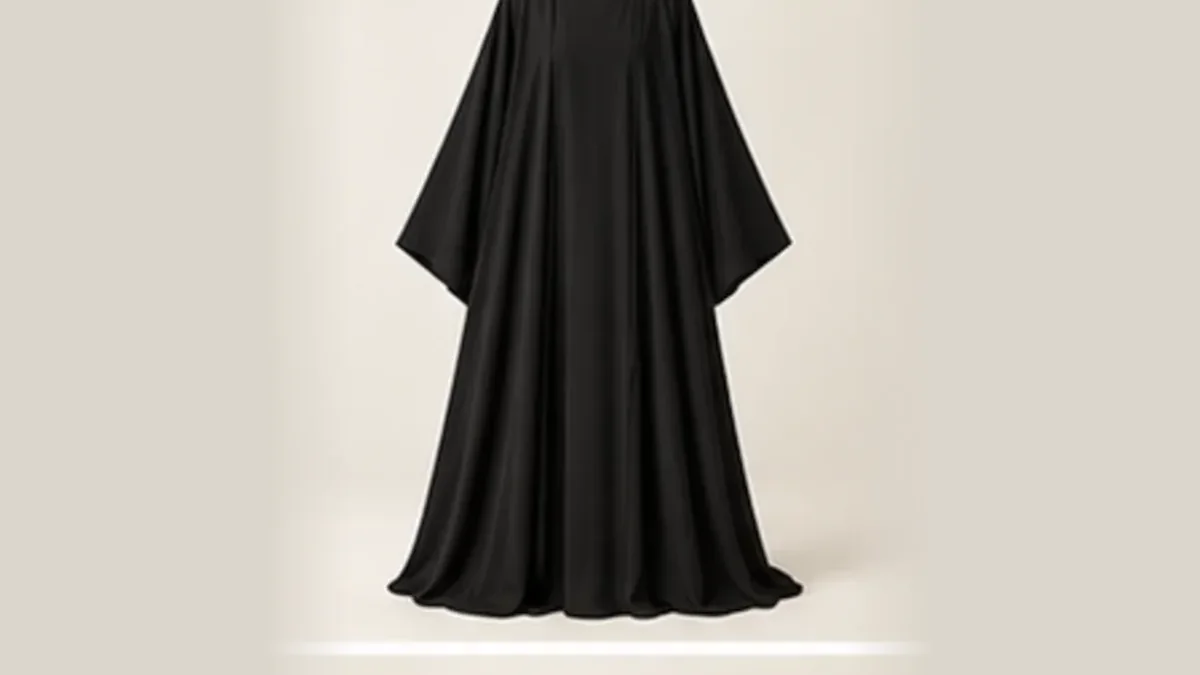
A capsule wardrobe is simply a small collection of clothes that all work together. You own fewer things, you wear each of them more, and getting dressed stops being a daily negotiation. It does not require throwing anything away or following a rulebook. It requires deciding what you actually wear, and buying the pieces that fill the gaps.
Start with how you actually live
Before choosing a single garment, list the last two weeks of your life: office or university days, family lunches, errands, an evening out, maybe a wedding. Most people find that three or four settings cover most of their time. A good wardrobe is built for those, not for the one dramatic occasion that happens twice a year.
Choose a palette of three
Pick a base colour, a secondary colour and an accent. A base might be black, navy or beige; a secondary might be white or olive; the accent can be whatever makes you happy, maroon or dusty pink for example. When most pieces share a palette, nearly everything goes with nearly everything. Several of our pieces come in colours chosen for this reason, such as the Everyday Cotton Shirt in white, sky blue or black.
The core pieces
These are the workhorses. If you only buy a handful, buy these:
- Two shirts or tops in neutral colours, one crisp and one soft. The cotton shirt and the Essential Crew Tee do both jobs.
- One pair of straight or wide trousers that fit you properly. The Wide-Leg Trousers work for the office and for dinners.
- One pair of jeans in a wash that suits your skin tone.
- A light layer for air-conditioned rooms and cooler evenings, such as the Soft Knit Cardigan or the Relaxed Denim Jacket.
- Comfortable shoes you could walk in all day.
Add your eastern wear deliberately
For many people in Pakistan, shalwar kameez is not an occasion piece but everyday dress. Treat it the same way you treat the rest of the wardrobe. Plain trousers like the Classic Shalwar Trouser pair with several kurtas, so you can rotate a printed lawn kurta, a plain one and a more formal one without buying matching sets each time. Keep one outfit ready for last-minute invitations so you are never scrambling.
Think in outfits, not items
Before buying anything, try to name three outfits it would work in using things you already own. If you can, it is a good purchase. If you cannot, it is probably an impulse. This one habit saves more money than any sale. It also makes the opposite problem, owning many things you never wear, much less likely.
Fabric for the climate
Pakistani summers are long and humid, and winters need layers rather than heavy coats. Cotton, lawn and linen-feel fabrics keep you cooler, while a mid-weight knit or denim handles the in-between months. Choose natural fibres or good blends for the pieces you will wear most, and save heavy fabrics for the few months you need them. Our guide to seasonal arrivals shows what is new for the weather ahead.
Accessories do the heavy lifting
A bag, a scarf or a pair of sandals changes the mood of an outfit without adding another garment. A Structured Tote Bag makes jeans and a shirt look put together for work, and a chiffon scarf lifts a plain kurta for an evening. If your clothes are neutral, accessories are where you can have fun, so they are worth buying well.
Buy slowly
You do not need to build the whole thing at once. Add one piece at a time, wear it for a few weeks, and notice what it needs next. If a gap shows up, say you have nothing for formal events, fill it with a considered purchase rather than a panic buy the night before.
A simple starter plan
- Pick your palette of three colours.
- Audit what you already own and note the gaps.
- Buy the most-used missing piece first, usually trousers or a layer.
- Check fit using our sizing guide before ordering.
- Repeat every month or two.
Within a season you will have a smaller wardrobe that works harder, and mornings that take five minutes. If you would like help choosing, message us on WhatsApp when we confirm your order and tell us what you already own; we will suggest what to add.